
Long Flight Essentials: What Travelers Actually Pack
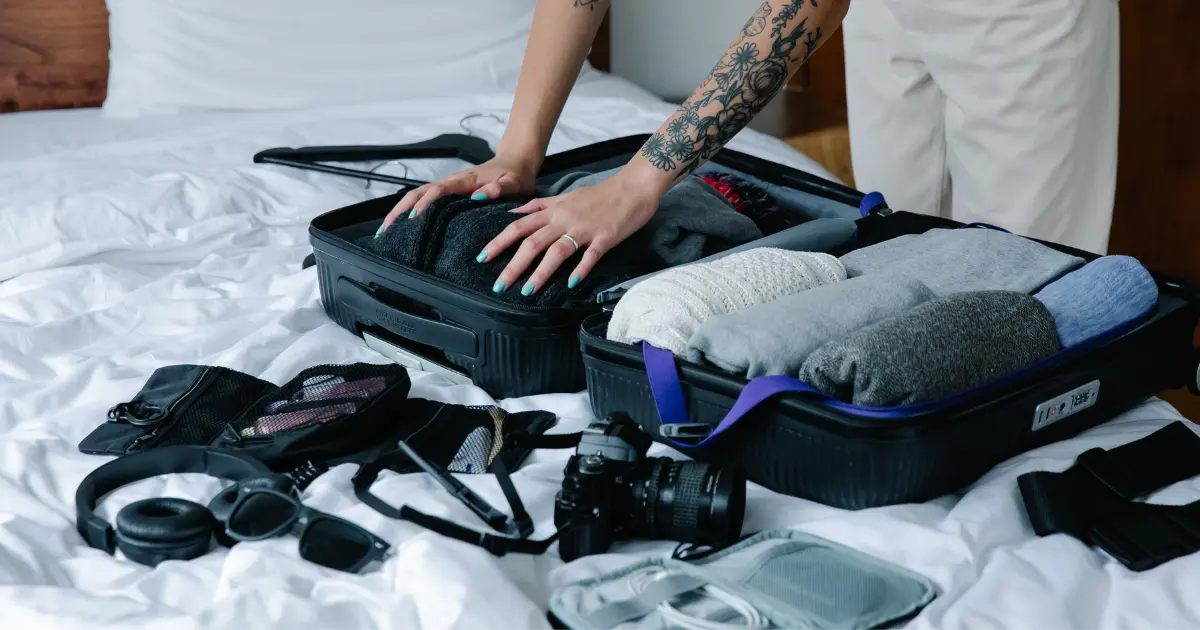
Once the tray table is down, a phone in a trouser pocket becomes almost impossible to reach. It is the kind of small problem that long flight essentials are meant to solve.
A traveler who flies often for work shared a handful of habits, some borrowed from others: a seat pouch, a chest pocket for his phone, a light resistance band looped around his thighs, and display glasses for movies on a flight to New Zealand. Commenters added fixes for noise, stuffy cabins, and the hours between landing and hotel check in.
Not every tip won agreement, and a few claims remain unproven. Here is what travelers say worked, what divided them, and how to build a list that fits your own flights.
Table of Contents
What Are the Long Flight Essentials Travelers Keep Coming Back To?
The long flight essentials shared by travelers fall into six groups:
- Seat access items: a pouch with headphones, an eye mask, a cable, lip balm, and a snack
- Noise control: noise canceling headphones, some travelers also use earplugs underneath.
- Leg and back comfort: a light resistance band, footrests, and circulation habits
- Freshening up: spare socks, underwear, a T-shirt, and a toothbrush
- Charging: easy to spot cables and short extensions
- Valuables: a small crossbody bag for passport, wallet, and phone
These are things to bring on a long flight that individual travelers found useful, not universal must haves. Some tips received mixed reviews, particularly footrests, while the resistance band’s reported benefits remain unverified.
Keep Your Flight Essentials Within Reach at Your Seat
Digging through the overhead bin or your pockets gets harder once the tray table is down. Travelers in this discussion kept their flight essentials close instead, using pouches, pockets, and small bags. Here are the options they described.
The Seat Access Pouch: What Goes Inside
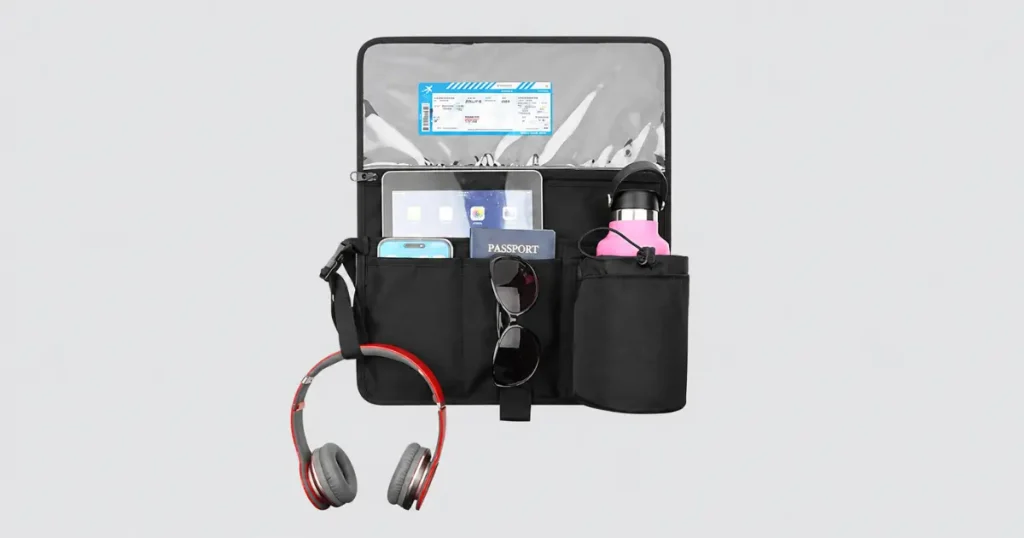
The original poster described a small pouch holding headphones, an eye mask, a cable, lip balm, and a snack. His tip is to take it out before the bag goes overhead, so there is no rummaging later. He said it was an idea he liked, not one he came up with himself.
Commenters shared their own versions:
- A see through zip pouch: One traveler paid about $5 at an art supply store. It slips into the seat pocket, and the clear material makes items easy to find.
- A washable over tray table pocket: Another packed one with a coloring book, a reading book, a phone, snacks, and headphones.
- Three coded pouches: One commenter splits items into tech, comfort, and hygiene pouches, each a different color or texture to find in the dark.
Phone, Passport and Valuables: Chest Pocket, Crossbody or Fanny Pack
The original poster keeps his phone in a chest pocket, because trouser pockets become almost impossible to reach once the tray table is down. He did not say whether he means a shirt pocket or something worn on the chest, and commenters asked without getting an answer.
Opinions split. One commenter says a breast pocket is how phones end up in toilets, while another has carried a phone in a scrubs breast pocket for at least 15 years without a toilet drop.
Others prefer a small crossbody bag or fanny pack for passport, wallet, and phone. One commenter notes it stays with you in an evacuation, and another suggests adding a couple of days of medication. One solo flyer who mostly takes an aisle seat reported theft warning announcements, though another commenter has never heard one.
Charging and Cable Tips for Dark Cabins
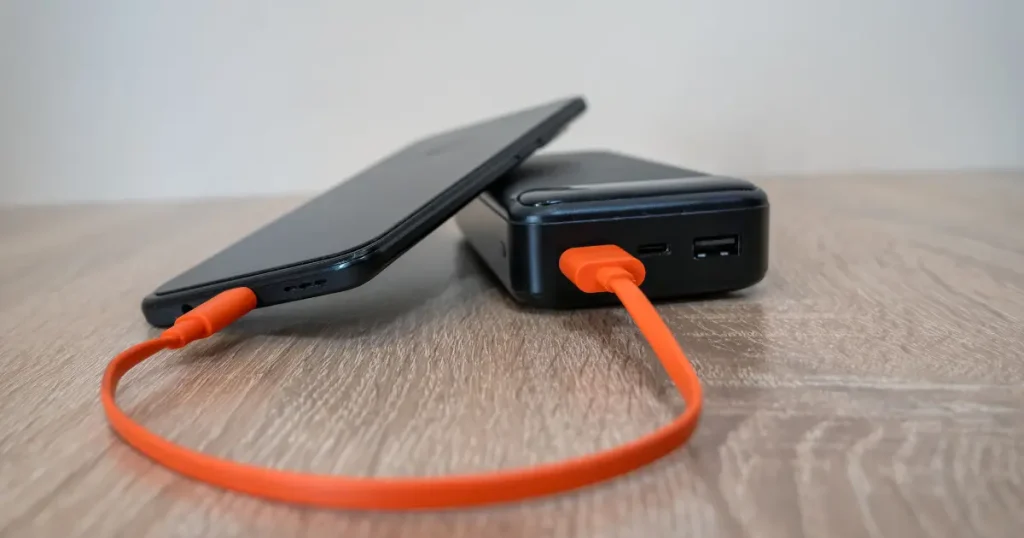
Charging came up as a small but practical concern. One commenter finds brightly colored USB cables and gadgets much easier to spot in cramped, dark red eye cabins, and another now buys only colored plugs. A third pointed out that glow in the dark cords exist.
In seat power can be unreliable, according to one frequent long haul flyer, who keeps a 1 foot extension so chargers don’t hang into the walkway. He also carries a UK Type G adapter, claiming it fits more snugly than loose fitting US plugs. That is his assertion, not a verified fact.
Others suggested power banks and long charging cables, the latter for hotel sockets far from the bed.
Long Haul Flight Essentials for Noise, Stuffy Air and Odors
The cabin itself was a common complaint in the comments: constant engine noise, heat, stuffy air, and unpleasant smells. These long haul flight essentials are tactics individual travelers say they use, not guarantees, and the next sections cover each in turn.
Noise Canceling Headphones and Layered Earplugs
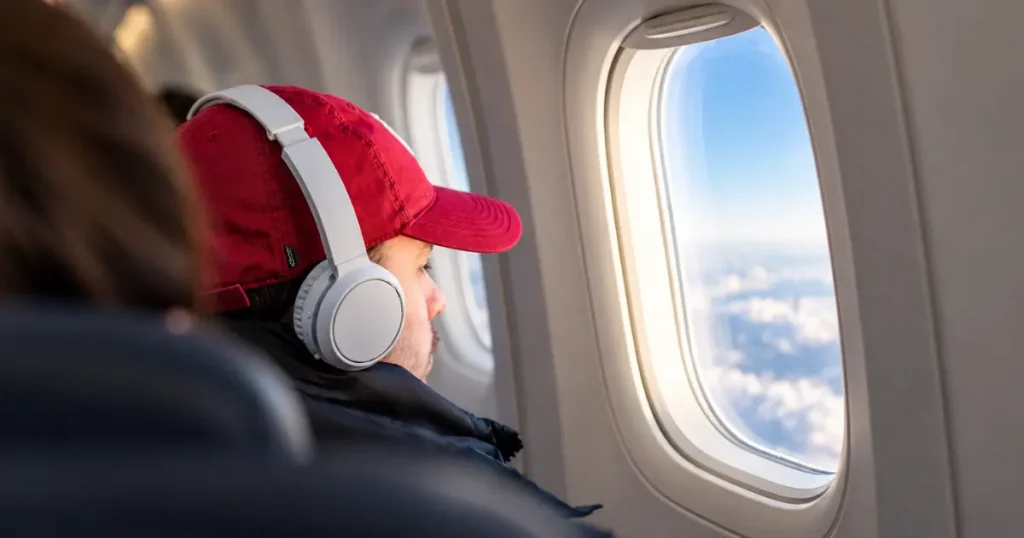
One commenter wears noise canceling headphones even with nothing playing, because the brain processing constant jet sound is fatiguing. Another adds noise canceling earplugs underneath and reports feeling much less stressed and tired after flights. Others layer custom molded or foam earplugs under their headphones.
Comfort is the catch. Loop silicone earplugs can get sore after hours, and one user worries about dropping one between the seats. Views on the adjustable Loop Switch differ: one commenter finds it easy to rotate but says the icons are tiny, while another finds its rigid outer ring uncomfortable for sleeping.
One commenter’s own method is yellow foam earplugs under headphones, with minimalist drone music played at maximum volume. Noise also varies by flight: one traveler called an Aer Lingus jet the loudest they had ever experienced.
Small Fans, Masks and Odor Fixes
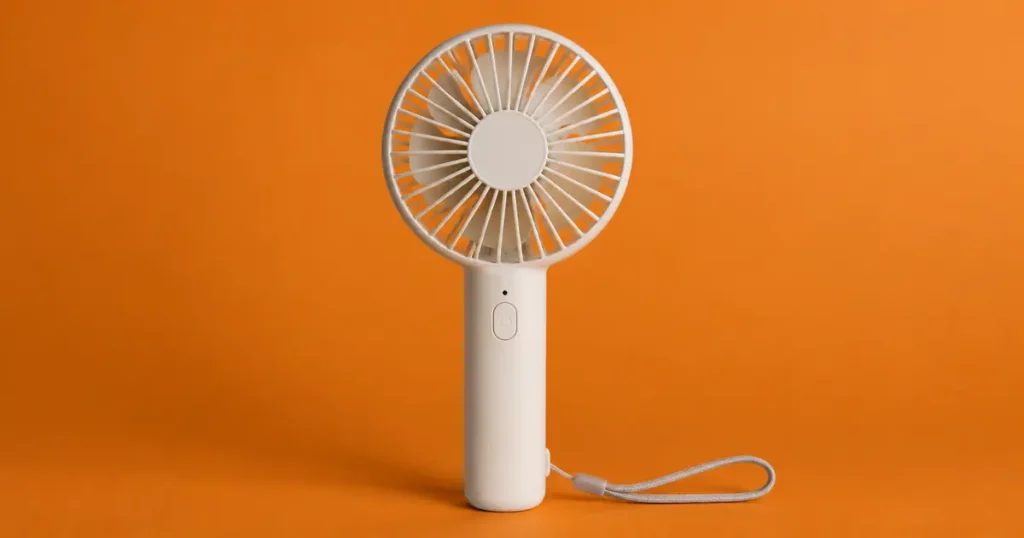
Several commenters carry a small rechargeable fan. One described a cabin that was unbearably overheated, and another started bringing one after being stuck on a tarmac in the Bahamas for hours. A commenter also uses hers as white noise, and later to boost the air conditioning in a hotel room.
For unpleasant smells, one traveler keeps an N95 mask and a tiny jar of Vicks for a coughing or smelly neighbor. Another commenter says a flight attendant once handed her a coffee filter with the grounds prepackaged inside, and tucking it into her mask was “a lifesaver”.
A travel size fragrance spritz divided opinion. One commenter uses it when odors appear, while another does not want to share the scent with the rest of the cabin.
Seating Comfort: Legs, Lower Back and Circulation
Comfort strategies for legs and back came with mixed reports and little hard evidence. The resistance band is the original poster’s own experiment, while the footrests and circulation habits come from commenters. Each is covered below.
The Resistance Band Around the Thighs: One Flyer’s Experiment
The poster calls this the slightly unusual thing that has helped him. A coworker who sits at a desk all day suggested looping a light resistance band, rated at about 10 lb, around his thighs while seated. He doesn’t deliberately push outward against it, and he says it’s easier to keep a comfortable sitting position, with less aching in his lower back. Those results are his own report, not tested findings.
Commenters confirmed the band goes around the thighs, not the feet. Several liked the idea, and one plans to try it on a 13 hour flight. Others use a belt, a blanket, or a sweatshirt or jacket tied around the thighs instead. The poster didn’t say how light the band is compared with medium or heavy ones, a question left unanswered.
Footrests and Foot Hammocks: What Divides Travelers
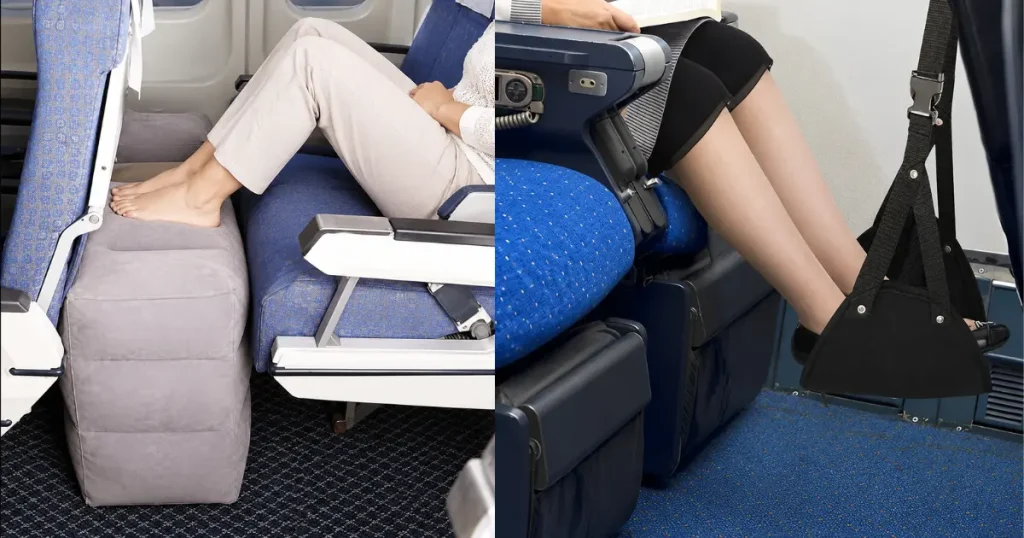
Commenters shared several ways to raise their feet. One short legged traveler uses a guitar footrest, alternating feet or placing both side by side, and says airlines haven’t objected so far. Another suggested an inexpensive inflatable footrest with a tiny USB air pump, calling it a game changer at 5 feet tall.
Foot hammocks divided opinion. One commenter says to choose a rigid version, or your feet get mashed together, and another recommends a rigid one as a game changer. A third found it hurt their knees, and one has read that hammocks don’t suit tall or long legged people.
Another commenter says some airlines don’t allow them, without naming any. Checking your airline’s rules first seems sensible.
Moving in Your Seat and the Aisle
Some commenters rely on movement. One does ten air squats every time she visits the bathroom, which keeps her circulation going without disturbing anyone. Another stretches while standing in the aisle waiting for the lavatory, and a third does a little dance inside.
Compression socks came up as well. One long-haul flyer started wearing them recently and says they make a world of difference, especially with shorter legs. The CDC notes that graduated compression stockings may benefit travelers at increased risk of blood clots and recommends discussing their use with a doctor before traveling.
For comfort, commenters also mentioned air activated heat pads for freezing cabins and back pain, and an inflatable seat cushion for flights of five hours or more.
Beyond these personal habits, the CDC recommends moving your legs frequently and stretching during long trips to help improve blood flow.
Travel Essentials for Long Flights: Staying Fresh When You Land
Comfort doesn’t end at the gate. Landing in the morning can leave hours before a hotel room is ready, and commenters also found ways to stay fresh in the air. These travel essentials for long flights cover both.
The Arrival Kit for Morning Landings
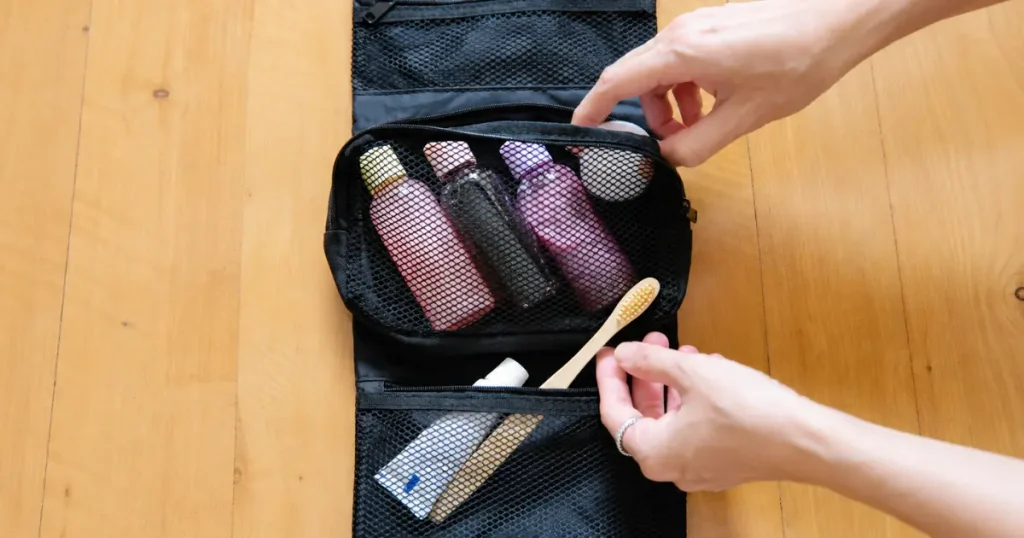
If you’re wondering what to take on a long flight that lands in the morning, one suggestion in the original post is an arrival kit: fresh underwear, socks, a T-shirt, and a toothbrush, kept together somewhere accessible. The poster picked it up from the discussion and did not describe it as his own habit.
Its value is in the timing. You may not be able to check into your hotel for a few hours after landing, and it’s easy to pack for the destination and forget those hours in between.
One commenter who flies long haul often takes the idea into the air, keeping extra socks or underwear in the bag for a mid flight change out. They say it helps you feel fresh.
Hydration, Snacks and Small Refreshers
Commenters also had small ways to feel refreshed. One keeps a face cloth in a zip lock bag with a little water and says eye drops are essential. Another uses eye drops on landing, along with mouthwash or gum and a little toner spray for the face, describing it as extra hydration and self care. A third suggests nasal gel or aloe spray for the nose.
For drinks and snacks, one traveler adds flavored electrolyte powder to water. Another carries individually wrapped candies, which help with thirst or a bad taste and give a little treat to look forward to.
One commenter brings an empty travel mug, which holds coffee on early flights without spillage and water on stopovers. It also goes with them to the destination.
Entertainment and Trip Organization: Beating Boredom and Confusion
Long journeys leave plenty of hours to fill and details to track. The poster and several commenters shared how they stay entertained and keep trip information in order, from watching movies to planning layovers.
Display Glasses Instead of an iPad
The poster plugs display glasses into his phone, which gives him a bigger screen without bringing an iPad. On his last flight to New Zealand, he watched some Stranger Things, then The Conjuring and Obsession. He found horror surrounded by other passengers “weirdly satisfying”: scared, but somehow completely safe.
Commenters asked what display glasses are. One guessed AI type glasses, and another pointed to Xreal and Viture as examples. The poster named no brand, and one commenter alleged the post was a marketing tactic. That claim is unproven, and the brand names are commenter suggestions, not endorsements.
The post doesn’t cover airline rules for wearing them in flight.
Offline Entertainment and Trip Info
Commenters kept themselves occupied and informed without relying on in flight options. One downloads a bunch of podcasts and spends most of their flight and airport time listening. Another suggested offline maps for getting around once you land.
For paperwork, one commenter carries a small notebook and pen to jot down ideas or things to remember after landing. On long flights with layovers, they also build a spreadsheet of airport and city names, flight numbers, departure and arrival times, and hotel and rental car details, including reservation numbers and addresses.
Another commenter recommends airtags or tile trackers to help keep track of luggage.

Build Your Own Long Flight Essentials List From What Worked for Others
Comfort is personal, and results were mixed throughout the thread. Your own long flight essentials will depend on your height, your airline, and what you tolerate, so treat these ideas as a menu to pick from. The checklist below pulls them together.
A Quick Checklist of Things to Bring on a Long Flight
Here are the things to bring on a long flight, grouped by use. Items marked (poster) come from the original post, and the rest are commenter suggestions.
- Seat access: a pouch with headphones, an eye mask, a cable, lip balm, and a snack (poster)
- Noise and air: noise canceling headphones, earplugs, a small fan, an N95 mask
- Comfort: a light resistance band (poster), a footrest, compression socks, heat pads, an inflatable cushion
- Freshening up: fresh underwear, socks, a T-shirt, and a toothbrush (suggested to the poster), plus eye drops and a face cloth
- Charging: brightly colored cables, a short extension cord, a power bank
- Valuables: a chest pocket for the phone (poster), or a crossbody bag or fanny pack for passport, wallet, phone, and a couple of days of medication
Check your airline’s rules before packing a footrest or foot hammock.
FAQ | Long Flight Essentials
These short answers cover the questions travelers raised most in the discussion. Each one comes from what the original poster and commenters reported, not from independent testing.
What Should You Keep at Your Seat on a Long Flight?
The long flight essentials the original poster keeps at his seat are headphones, an eye mask, a cable, lip balm, and a snack, packed in a small pouch. His tip is to take the pouch out before the bag goes overhead, so you never have to rummage through the bin mid flight.
Commenters added their own items to the same idea. One keeps medication and gum in a see through zip pouch that slips into the seat pocket. Another, tired of digging around, listed an AirPods case, glasses, lip balm, and tissues as the things she wanted within reach.
What belongs in your pouch depends on what you reach for most. These lists are simply what these travelers chose.
What Should You Take on a Long Flight in Your Personal Item?
If you’re unsure what to take on a long flight, here is one commenter’s setup: three pouches inside the personal item, each a different texture and color so they can be found in the dark without turning on the overhead light.
– Tech pouch: charger, phone stand, earbuds, charging cable, Bluetooth transmitter, and external battery
– Comfort pouch: eye mask, neck pillow, compression socks, and foldable sandals
– Hygiene pouch: toothbrush and toothpaste, alcohol wipes, toothpicks, deodorant, a face mask, and nasal spray
This is one traveler’s system, not a standard list. Adjust it to your own flight and habits.
How Do Travelers Cope With Noise on Long Flights?
The most common answer in the discussion is noise canceling headphones, worn even with nothing playing. One commenter says the constant jet sound is fatiguing, and another calls over ear headphones basically non negotiable on any flight.
Many add earplugs under the headphones. One commenter reports feeling much less stressed and tired after flights this way. Another suggests custom molded earplugs, which they say help even with screaming babies on board.
Comfort varies. Loop silicone earplugs can get sore after hours, and one user worries about dropping one between the seats. Rigid or adjustable designs may be uncomfortable for sleeping, so what works depends on the person.
Where Do Travelers Keep Phones, Passports and Valuables on a Plane?
The original poster keeps his phone in a chest pocket, since trouser pockets are hard to reach once the tray table is down.
Commenters favored small bags worn on the body. One uses a crossbody bag for passport, wallet, phone, and other valuables. Another carries a fanny pack holding a ticket, chargers, a small battery pack, passport, and headphones, and a third wears hers across the chest. One traveler adapted a cosmetics case with a matching strap for passport, phone, hand sanitizer, lip balm, and headphones.
Opinions differ on breast pockets: one commenter says they are how phones end up in toilets, while another has used one for 15 years without a drop. There is no universal rule, so choose what feels secure to you.
What Can You Pack for a Morning Arrival Before Hotel Check In?
The travel essentials for long flights that help most on a morning arrival are the ones that cover the hours before your room is ready. The original post suggests keeping fresh underwear, socks, a T-shirt, and a toothbrush together somewhere accessible.
Commenters added small refreshers:
– A face cloth in a zip lock bag with a little water, to freshen up
– Eye drops, which two commenters call essential or refreshing after landing
– Mouthwash or gum, plus a little toner spray for the face
None of these are verified by testing. They are simply what these travelers say helps them feel ready to start the day.
The Best Long Flight Tips Are Often Borrowed
The most useful ideas in this discussion were mostly small habits, and many were picked up from other travelers. The original poster credited several of his tips to comments and a coworker. Comfort is personal, so the best list is one you adjust after each trip.
What small thing has made your long flights easier, especially something you only figured out after a few trips? Share it in the comments, and it might help the next traveler.
Planning a winter getaway? Explore our guide to the best countries to visit in December by budget to help choose your next destination.